Facelift in Longueuil: Which Signs of Facial Ageing Can a Facelift Actually Address?
“Facelift” is often used as a general term for facial rejuvenation, but the operation has a much more specific role.
A facelift does not erase every sign of ageing. It does not directly correct every wrinkle, change the quality of the skin or automatically address the eyelids, forehead and entire face.
Its strength is elsewhere: repositioning tissues that have descended and improving structural laxity, particularly through the lower face and, depending on the technique, the upper neck.
Understanding that distinction is useful because the best candidate for a facelift is not necessarily the person with the most wrinkles. It is often the person whose facial architecture has changed.
Ageing is more than a skin problem
The face changes at several levels over time.
Skin gradually loses some elasticity, but deeper tissues also change position. Facial fat can redistribute, supporting structures become more lax and the contours that once separated the cheek, jawline and neck become less distinct.
This is why simply tightening the surface of the skin cannot reproduce the anatomy of a younger face.
Modern facelift planning considers the deeper tissues and how they contribute to the lower-face contour.
The jawline is often where patients notice the change first
A photograph taken from the front may not reveal the issue as clearly as a three-quarter or profile view.
With time, tissue can accumulate around the lower jaw, producing jowls and interrupting a previously smoother jawline.
A facelift can address this descent by repositioning tissues rather than simply pulling the skin tightly toward the ears.
The objective is not to create an unnaturally tight face. Excessive surface tension can produce an operated appearance without adequately correcting the deeper structural changes.
What about the neck?
The lower face and neck are anatomically connected, so patients frequently notice changes in both areas at the same time.
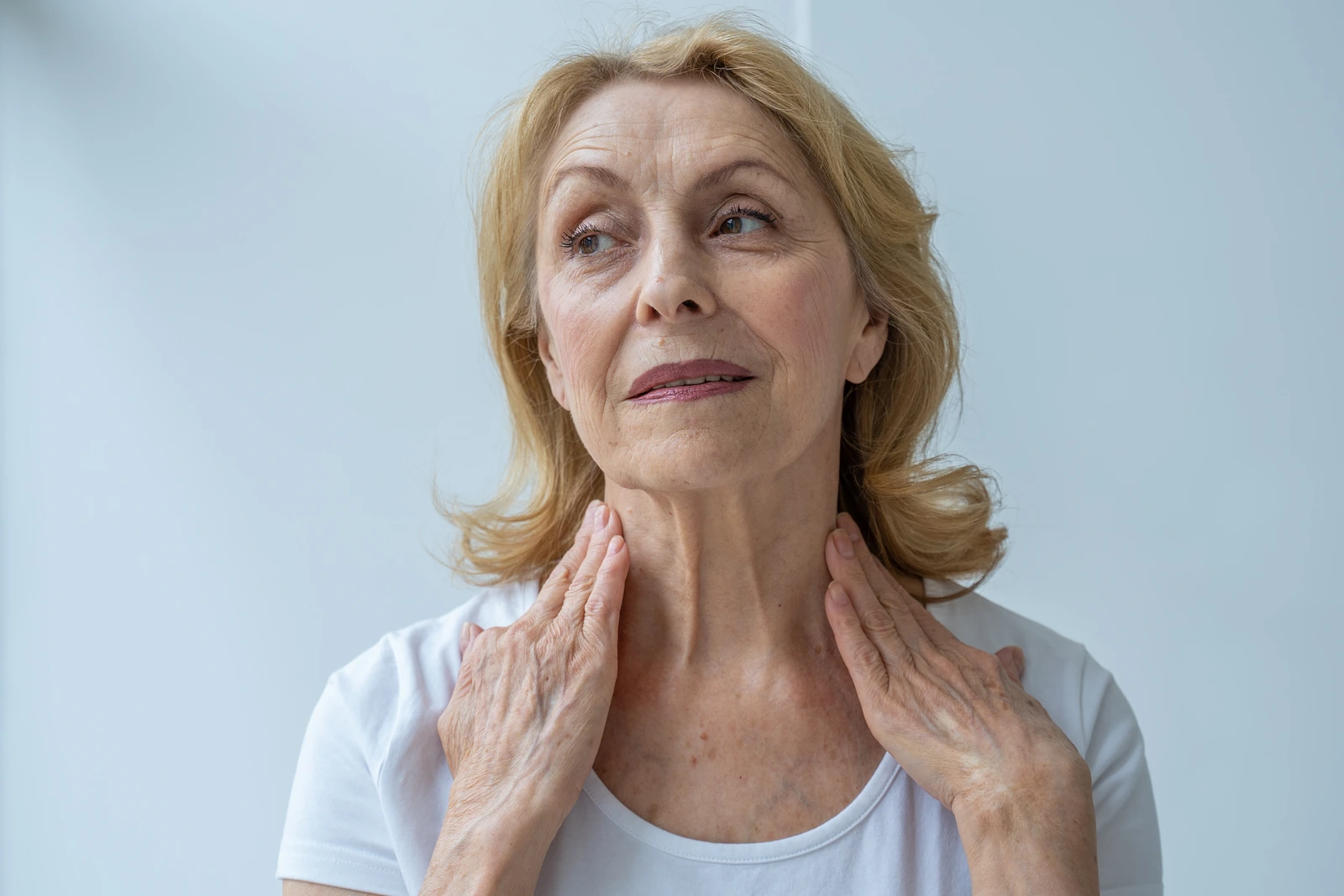
Loose skin beneath the jaw, changes in the angle between the neck and chin, fat distribution and the behaviour of the platysma muscle can all influence the neck contour.
Depending on the anatomy, facelift planning may therefore involve aspects of neck rejuvenation as well.
However, not every neck concern has the same cause. A patient with primarily localized fat under the chin presents a different problem from someone with significant skin and muscular laxity.
What a facelift does not treat particularly well
Some concerns are better addressed by other treatments.
Fine surface lines, pigmentation and sun damage involve skin quality rather than primarily tissue descent. These changes may require a different dermatologic or aesthetic approach.
Heavy upper eyelids or prominent lower-eyelid bags may be better addressed through blepharoplasty.
Likewise, changes isolated to the brow or forehead are not necessarily corrected by a lower facelift.
Trying to make one operation solve every aspect of facial ageing can lead to unrealistic expectations.
The goal is not to look like a different person
Patients sometimes worry that facial surgery will change their identity.
A thoughtfully planned facelift is intended to work with the patient’s existing facial anatomy rather than impose a standardized appearance.
Bone structure, facial proportions, skin thickness, hairline and previous procedures all influence what can reasonably be achieved.
This is also why photographs of another person’s result are useful for discussing preferences but cannot serve as a blueprint for surgery.
When is the “right age” for a facelift?
There is no single age.
One patient may develop meaningful lower-face laxity in the forties, while another may not consider surgery until much later.
The relevant question is whether the anatomical changes present are the type that facelift surgery is designed to address.
Someone with relatively little tissue descent but significant skin texture concerns may gain little from a facelift. Conversely, someone with clear jowling and lower-face laxity may be addressing a structural problem that non-surgical treatments cannot fully reproduce.
Facelift surgery in Longueuil and Montréal’s South Shore
For patients in Longueuil, Brossard, Saint-Lambert, Boucherville, Saint-Bruno and the surrounding South Shore, facial rejuvenation begins by identifying which anatomical changes are actually responsible for the concerns seen in the mirror.
Dr Alain Gagnon can evaluate the lower face, jawline, neck and surrounding facial structures to determine whether facelift surgery or another approach may be appropriate.
If your main concern is a changing jawline or lower-face laxity, a consultation in Longueuil can help determine whether a facelift addresses the right problem.
(514) 768-7906
550 chemin Chambly, Bureau 330, Longueuil, QC, J4H 3L8